
Villa Construction
How Long Does It Take to Build a Villa in Lombok?
A realistic Lombok villa construction timeline—from site review and design to permits, construction, completion, and handover.
Updated
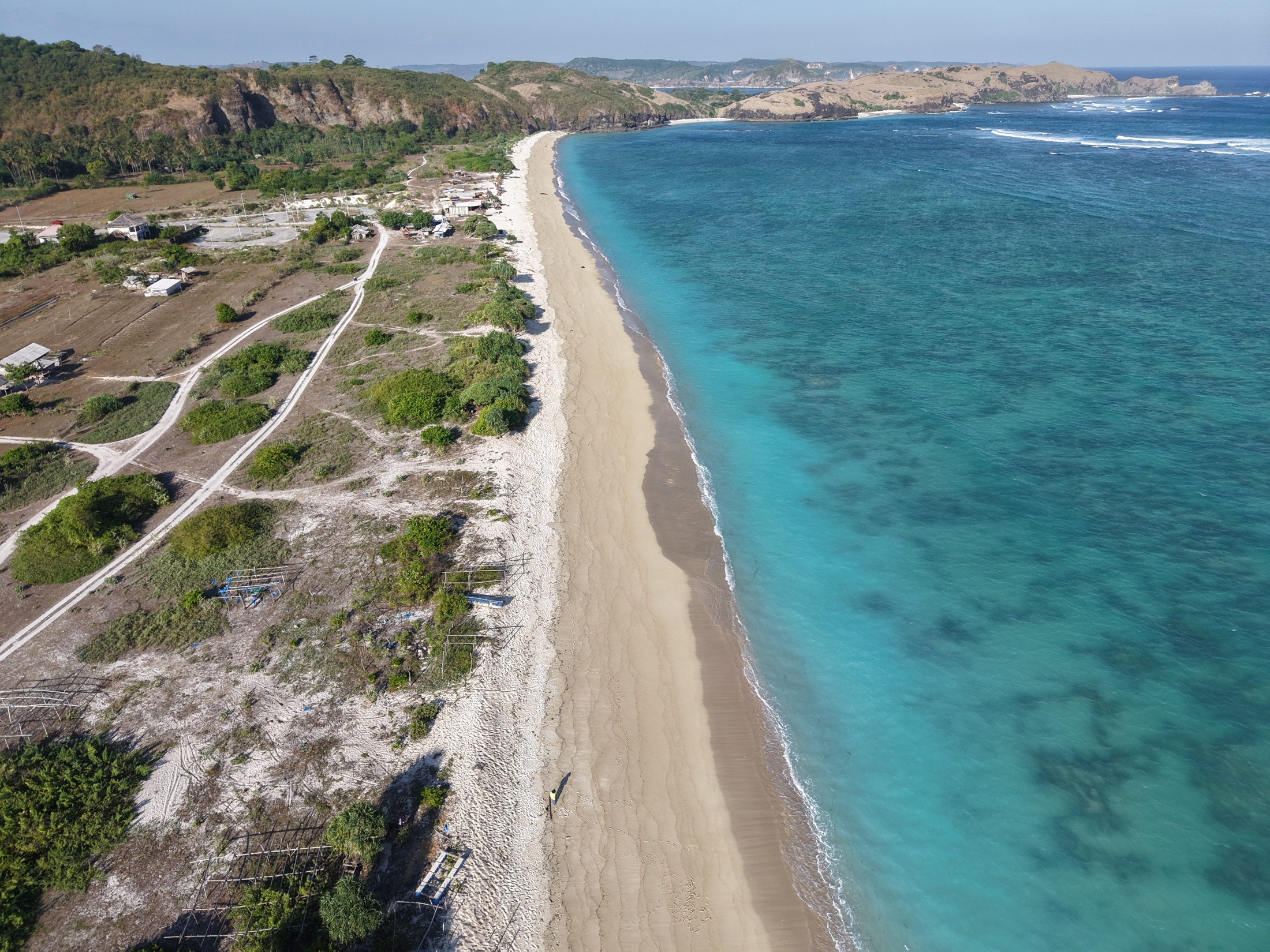
When people ask how long it takes to build a villa in Lombok, they often think only about the months spent on site. The full timeline starts earlier—with land review, surveys, design, structural and services coordination, permits, budget confirmation, and contractor selection. It also continues after the main construction work through inspections, defect correction, systems testing, and handover.
For initial scenario planning, this guide uses an illustrative allowance of 12 to 18 months from the first serious site review to practical handover, including around 9 to 14 months of on-site construction.
These figures are illustrative planning allowances—not measured Lombok market averages, a record of Sanbada's completed projects, or a delivery commitment. A small villa on flat, accessible land may be completed faster. A sloping or coastal site, complex structure, multi-villa development, or project with many imported materials may take longer. Agree a site-specific programme once the scope and dependencies are understood.
An Illustrative Villa Construction Programme
| Stage | Early Planning Allowance | Main Activities |
|---|---|---|
| Site review and project brief | 2–6 weeks | Land, access, terrain, intended use, and budget review |
| Concept and technical design | 8–16 weeks | Layout, architecture, structure, services, and materials |
| Permits and pre-construction | Project-specific | Documents, pricing, contract, and procurement planning |
| Mobilisation and earthworks | 2–8 weeks | Access, temporary facilities, excavation, drainage, and setting out |
| Foundations, structure, and envelope | 3–5 months | Foundations, concrete structure, walls, roof, and waterproofing |
| Services, finishes, and external works | 4–7 months | Electrical, plumbing, tiles, joinery, pool, and landscape |
| Inspection and handover | 2–6 weeks | Testing, defects, cleaning, and documentation |
Some stages overlap. Long-lead materials may be ordered during structural work, while technical design and permit preparation may progress together.
1. Review the Site Before Setting the Construction Schedule
Two plots of the same size can have completely different construction requirements.
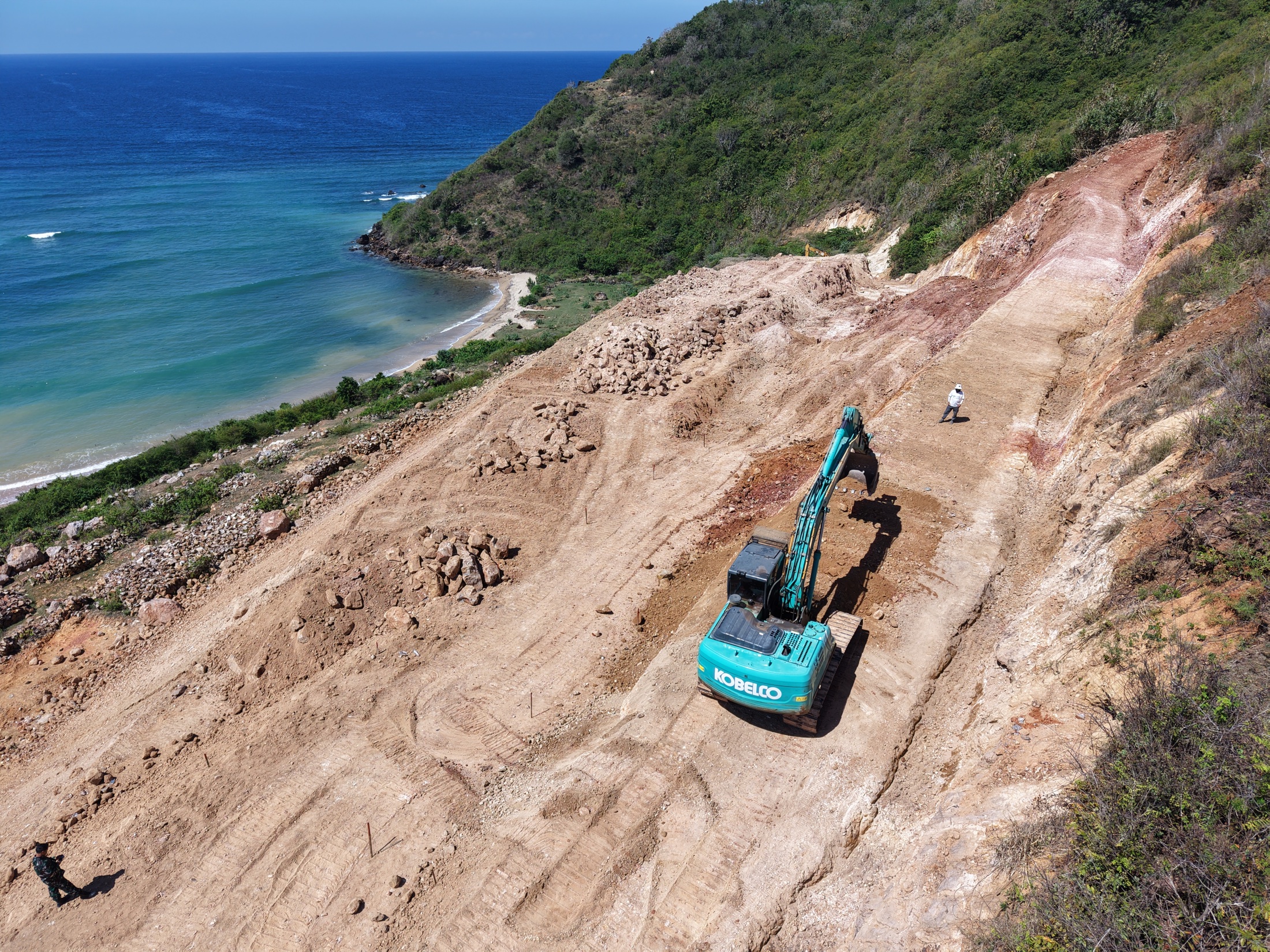
A level site with secure road access, electricity, and water cannot be programmed in the same way as a coastal slope requiring retaining structures, drainage, and access works.
Before setting a completion date, confirm:
- The physical land boundary and survey information
- Legal and practical access for construction vehicles
- Topography and likely earthworks
- Drainage and erosion risk
- Electricity, water, wastewater, and internet strategy
- The building's intended use and approval pathway
- Whether soil investigation is required
Read our guide to whether your land is actually build-ready for a more detailed site checklist.
2. Design Is More Than Producing a Floor Plan
A polished concept image does not mean a project is ready for construction.
Architecture, structure, electrical systems, plumbing, air-conditioning, waterproofing, drainage, lighting, joinery, pool systems, and landscaping must be coordinated. Materials and finish standards should also be clear enough for the contractor to price and build consistently.
Rushing the design stage does not remove unresolved issues. It moves them onto the site, where design changes usually take longer and cost more. Our architectural design coordination service in Lombok connects design decisions with the practical requirements of construction.
3. Do Not Hide Permit Time Inside the Construction Period
Indonesia uses PBG—Persetujuan Bangunan Gedung—as the building approval framework before construction. Depending on the project and applicable process, SLF—Sertifikat Laik Fungsi—relates to confirming that the completed building is fit for use. Applications and technical documents are handled through the government's SIMBG system and the relevant local authorities.
The required time depends on the building's use, the site, the completeness of the submitted documents, and the review process. It is therefore not realistic to promise one permit duration for every Lombok villa.
The design, land information, proposed use, relevant environmental documents, and technical drawings should be consistent with one another.
4. Mobilisation Reveals the Site's Real Difficulty
Before excavation begins, the project may require:
- Site fencing and temporary facilities
- Worker areas and material storage
- Temporary electricity and water
- Access-road preparation
- Surveying and building set-out
- Temporary drainage
If concrete trucks or heavy equipment cannot reach the site, materials may need to be transferred in smaller vehicles, requiring additional equipment and labour. This should be included in both the budget and programme.
5. Structural Work Moves Faster When Decisions Are Complete
Foundations and structure create the most visible progress, but several issues can delay them:
- Ground conditions that differ from assumptions
- Retaining walls or drainage added late
- Conflicts between architectural and structural drawings
- Uncoordinated service routes and openings
- Layout changes after construction starts
- Missed inspections or quality checks
The objective is not simply to pour concrete quickly. It is to build the correct structure and avoid expensive rework later.
6. Finishes Usually Take Longer Than Owners Expect
Even when the exterior appears complete, waterproofing, ceilings, tiles, stone, joinery, sanitary fittings, lighting, air-conditioning, painting, pool work, and landscaping may remain.
A late tile or basin selection can delay plumbing, stone counters, mirrors, and joinery. Samples, shop drawings, and material orders should therefore be included in the project programme.
Imported materials also require allowances for availability, customs, transport to Lombok, breakage, and possible replacement—not only the quoted shipping time.
7. Weather Affects Productivity, Not Only Working Days
Rain does not stop every activity, but it can reduce the productivity of earthworks, heavy equipment, access works, exterior finishes, and waterproofing.
Construction can continue during the wet season when the project plans for:
- Appropriate work sequencing
- Temporary drainage
- Protected material storage
- Weather protection for incomplete work
- Float for weather-sensitive activities
Local conditions vary by location and year, so current information from the BMKG climate service for West Nusa Tenggara should be considered rather than relying only on fixed seasonal assumptions.

8. Owner Decisions Can Control the Whole Timeline
Some delays attributed to the contractor begin because owner decisions were not made on time.
The programme should show when layouts, finishes, sanitary fittings, lighting, joinery, and equipment must be approved. The cost and time impact of changes after ordering or installation should also be documented.
For owners living overseas, regular reports should include:
- Dated site photographs
- Planned and completed activities
- Decisions required from the owner
- Cost or design changes
- Quality issues
- The updated programme
This reporting structure should be agreed when selecting and appointing a villa contractor in Lombok.
9. Completion and Handover Do Not Happen in One Day
Even when the building is almost finished, the following work remains:
- Testing electrical, plumbing, hot-water, air-conditioning, and pool systems
- Checking drainage and waterproofing
- Preparing and closing out a defect list
- Final cleaning
- Handing over warranties and manuals
- Explaining how installed systems operate
- Preparing furniture, equipment, photography, and operations for a commercial villa
For a rental property, the construction completion date and the operational opening date may be different.
What Commonly Delays a Villa Build in Lombok?
- Starting before land conditions and the approval pathway are clear
- Pricing from incomplete drawings
- Difficult or insecure site access
- Late owner changes
- Conflicts between architectural, structural, and services drawings
- Ordering custom or imported materials too late
- Interrupted project cash flow
- Weak site supervision or inconsistent quality control
- Failing to plan for wet-season and weather impacts
- No clear definition of completion and handover
Understanding these risks is as important as comparing the headline cost of building a villa in Lombok.
Frequently Asked Questions
Can a villa in Lombok be built in six months?
A small, simple villa on a prepared and accessible site may be completed quickly. However, six months should not be treated as a normal promise for the full process when site review, design, permits, procurement, construction, testing, and handover are included.
When should I appoint a contractor?
Contractor input can be useful during design. The final appointment should be based on a sufficiently coordinated scope, drawings, specifications, price, programme, and contract terms.
Should every finish be selected before construction starts?
Not every decorative item must be selected before excavation. However, decisions affecting structure, waterproofing, service locations, openings, and long-lead procurement should be made early.
Does the wet season make construction impossible?
No. Construction can continue, but sequencing, temporary drainage, access, material storage, weather protection, and programme float should reflect local conditions.
Can an overseas owner monitor construction effectively?
Yes. Agree the reporting format and frequency before appointment. Reports should cover photographs, progress, cost changes, quality issues, owner decisions, and the updated programme.
The Bottom Line
Use the 12 to 18 month example as a starting scenario for discussing the full process, not a promised completion date. Replace it with a project-specific programme that includes the actual site constraints, scope, approvals, and procurement dependencies.
A reliable timeline is not created by choosing the shortest number. It comes from understanding the land, preparing the design and permits, defining the construction scope, planning procurement, and making decisions before they become urgent.
At Sanbada Development, we connect site review, architectural coordination, contractor selection, construction management, and owner reporting into one project programme. Explore our villa construction services in Lombok or contact us to discuss a site and target opening date.