
Legal & Ownership
How Foreigners Can Legally Own Property in Lombok: Leasehold, PT PMA, and What to Watch Out For
Can foreigners own land in Indonesia? Not outright — but with the right legal structure, it is entirely possible to invest securely. This guide covers leasehold, PT PMA + HGB, and the nominee trap, with a focus on notarisation and due diligence.
Updated
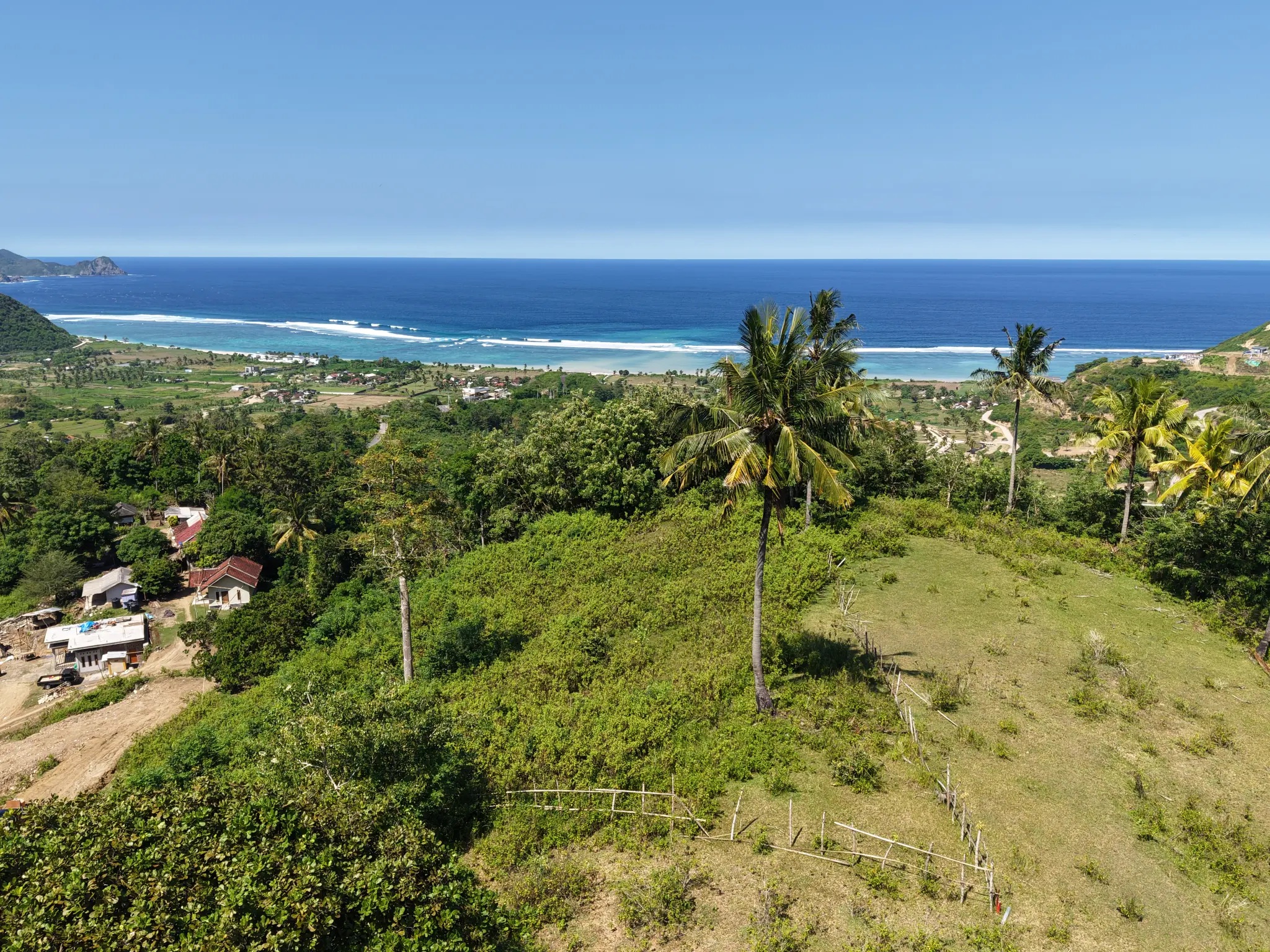
How Foreigners Can Legally Own Property in Lombok: Leasehold, PT PMA, and What to Watch Out For
More than the structure itself, what matters is whether you understand it — and whether you execute it correctly.
Interest in Lombok real estate is growing fast, and one question comes up in almost every conversation with foreign investors: "Can foreigners actually own land here?"
The short answer is: not in the same way an Indonesian national can. But with the right legal structure, foreign investors can hold property securely, develop it commercially, and exit cleanly. The key is understanding your options — and knowing where the risks are.
This guide covers the three main structures available to foreign investors in Indonesia, with a focus on what actually matters in practice: notarisation, due diligence, and choosing the right vehicle for your goals.
The Three Structures at a Glance
| Structure | How It Works | Who It Suits | Key Risk |
|---|---|---|---|
| Leasehold | Long-term lease from Indonesian landowner | Short-to-mid-term investors | Contract quality, owner risk |
| PT PMA + HGB | Foreign-owned company holds Right to Build | Long-term investors, commercial operators | Setup cost, compliance burden |
| Nominee | Indonesian national holds title on your behalf | — | Legally void, strongly discouraged |
1. Leasehold — The Most Common Entry Point
Leasehold is the most widely used structure for foreign property investment in Bali and Lombok. You are not purchasing ownership of the land — you are purchasing the right to use it for a defined period.
Typical contract structure: Most leasehold agreements are structured as 25 years with an option to renew for a further 25 years, giving a total of 50 years. Some contracts begin with a 30-year initial term. The renewal option must be clearly stated in the original agreement — it is not automatic.
What leasehold can and cannot do: A leasehold agreement gives you the right to build on and use the land. It does not give you ownership. If you intend to operate a villa commercially — generating rental income — you will need a PT PMA in place. Operating a commercial rental property under a personal leasehold without a proper investment entity is a legal grey area that can result in the right being revoked.
The non-negotiable: notarisation. A leasehold agreement that has not been notarised by a licensed Indonesian notary (Notaris) has limited legal standing. Verbal agreements, informal written contracts, and even well-intentioned handshake deals carry no enforceable protection. Every leasehold agreement must be drawn up and certified by a Notaris. This is not optional.
Due diligence before signing: Before entering any leasehold agreement, you must verify the underlying land title. The land should carry an SHM (Sertifikat Hak Milik) — the strongest form of Indonesian land ownership. You should confirm this directly with the land authority (ATR/BPN), not just by reviewing a document the seller provides. Check for encumbrances, disputes, and whether the person signing has the legal authority to do so.
One additional risk that is often overlooked: if the landowner sells the land or passes away during your lease term, the new owner inherits the obligation — but only if your agreement explicitly protects against this. Your contract must include a clause binding future owners and heirs to the terms of the lease.

2. PT PMA + HGB — The Most Secure Structure
PT PMA (Perseroan Terbatas Penanaman Modal Asing) is a foreign-owned limited liability company under Indonesian law. A PT PMA can hold 100% foreign ownership and is the legal vehicle through which foreign investors can acquire HGB (Hak Guna Bangunan, Right to Build) land title.
Why HGB via PT PMA is considered the practical freehold for foreigners: HGB is issued for an initial 30-year term, extendable by 20 years, and renewable for a further 30 years — a total of up to 80 years. In practice, renewal is straightforward as long as the company remains compliant and the land use is consistent with the original purpose. For a foreign investor with a long-term development or operational horizon, HGB via PT PMA is the closest available equivalent to freehold ownership.
PT PMA setup process (typically 1–4 weeks):
| Step | Description | Timeline |
|---|---|---|
| Company name reservation | Filed with Ministry of Law and Human Rights | 1–2 days |
| Articles of Association | Drafted and notarised | 3–5 days |
| Investment licence (NIB) | Filed via OSS system with BKPM | 1–2 weeks |
| Tax registration (NPWP) | Corporate tax ID registration | 3–5 days |
| Bank account opening | Indonesian corporate bank account | 1–2 weeks |
Once the PT PMA is established, you can proceed to acquire land and register HGB title through ATR/BPN.
Ongoing obligations: A PT PMA is a real operating company. It requires annual financial reporting, tax compliance, and periodic licence renewals. The cost of maintaining a PT PMA — accounting, legal, and administrative — should be factored into your investment plan from the start.
Notarisation and due diligence apply here too. Every step of the PT PMA land acquisition process involves notarised documentation. The land purchase agreement, the HGB application, and any subsequent transfers must all go through a licensed Notaris and PPAT (Pejabat Pembuat Akta Tanah, the land deed official). Do not shortcut this process. And before acquiring any land through your PT PMA, apply the same rigorous due diligence as you would for a leasehold: verify the title, check for disputes, confirm zoning compatibility, and assess infrastructure access.
3. Nominee Structure — Do Not Use This
Some investors attempt to hold Indonesian land by placing it in the name of a local Indonesian national (a "nominee") who acts on their behalf. This structure is legally void under Indonesian law. The nominee holds the title in their own name, and you have no enforceable ownership claim. Disputes between investors and nominees are well-documented, and Indonesian courts will not recognise informal side agreements that attempt to circumvent foreign ownership restrictions.
This is not a grey area. It is a structure that experienced local professionals consistently advise against. If you encounter an agent or advisor recommending this approach, treat it as a red flag.

Why Lombok, and Why Now
Bali's property market is increasingly saturated, and entry prices reflect that. South Lombok — particularly Kuta Lombok, Selong Belanak, and Gerupuk — remains in an earlier stage of development. Land prices are still 30–50% lower than comparable Bali locations, and rental yields in the 8–15% range have been reported for well-positioned villa developments.
The Indonesian government has continued to expand infrastructure investment in Lombok, including road access to the south coast and upgrades to Lombok International Airport. These are structural tailwinds, not just marketing claims.
That said, Lombok's relative underdevelopment also means that due diligence is more demanding, not less. Title clarity, zoning, road access, and infrastructure availability vary significantly across the island. The opportunity is real — but so is the complexity.

Pre-Investment Checklist
Before committing to any property transaction in Lombok, work through the following:
Legal verification:
- Obtain and verify the original land certificate (Sertifikat) directly
- Confirm ownership history and encumbrances with ATR/BPN
- Verify that the person signing has legal authority to transact
- Check for any active disputes or claims on the land
Contract requirements:
- All agreements must be notarised by a licensed Indonesian Notaris
- Leasehold contracts must include renewal terms, owner-transfer protections, and permitted use clauses
- PT PMA land acquisitions must go through a licensed PPAT
Tax and cost awareness:
- Land and Building Acquisition Tax (BPHTB): 5% of transaction value
- Income tax on transfer (PPh): 2.5% paid by seller, but confirm this is settled
- Annual Land and Building Tax (PBB): ongoing obligation
- PT PMA setup and annual maintenance costs
The Bottom Line
Investing in Indonesian property as a foreigner is entirely viable — but only if the legal structure is correct and the documentation is clean. The most common mistakes are not exotic legal failures. They are basic process failures: unsigned notarial deeds, unverified titles, contracts that don't protect against ownership changes, and structures chosen for convenience rather than legality.
At PT. SAN BADA DEVELOPMENT, we work with investors not just to identify land, but to assess it from a legal, structural, and operational perspective. We can support the full process — from initial due diligence and PT PMA establishment through to land acquisition and development.
If you are considering property investment in Lombok, start with the structure. Everything else follows from there.
Ready to discuss your investment structure? Contact us or reach out directly.