
Land Investment
7 Things You Must Check Before Buying Land in Lombok
More than the price, what matters is whether the land is viable — and safe. Here are 7 essential checks before committing to any land purchase in Lombok.
Updated
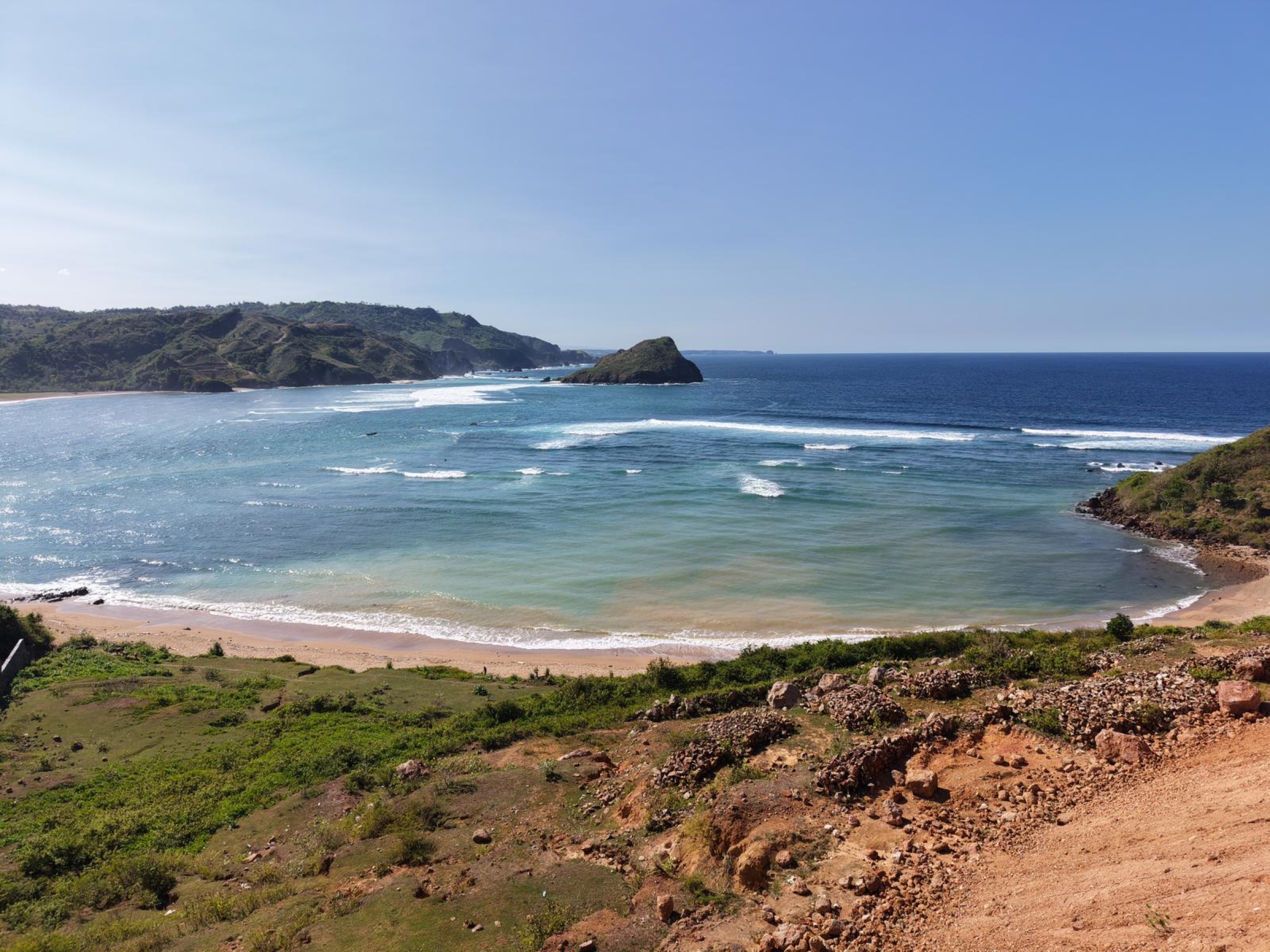
7 Things You Must Check Before Buying Land in Lombok
More than the price, what matters is whether the land is viable — and safe.
Interest in the Lombok real estate market is growing fast, and so are land purchase inquiries. Compared to Bali, entry prices are still relatively accessible, and the island carries genuine development potential. Lombok is, without question, an attractive market.
But after spending time on the ground evaluating actual plots, one thing becomes clear: a promising-looking listing is not always a sound investment.
A property might have a great ocean view and a reasonable price tag — yet still have unclear boundaries, complicated legal ownership, poor road access, or restrictions that make your intended use impossible. Land is one of the hardest mistakes to undo.
In Lombok, what matters far more than finding "cheap land" is finding land that is legally secure, actually developable, and connected to viable long-term operations.
Here are 7 things you must check before committing to any land purchase in Lombok.
1. Verify That the Boundary on Paper Matches the Ground Reality
This is the most fundamental check — and one of the most commonly overlooked.
The stated area in documents often differs from what you see on site. Boundaries between adjacent plots are frequently ambiguous, and what a seller describes as "from here to there" carries no legal weight in an actual transaction.
Before any land deal, you must confirm: - Physical boundary markers on site - Whether a proper survey (pengukuran) is possible - Whether any boundary disputes exist with neighboring parcels
Indonesia's land authority, ATR/BPN, is clear that official land rights and certificate data are the only legally recognized basis for transactions. If it's not clear exactly where your land begins and ends, the entire deal starts on shaky ground.
In some areas, overlapping land claims are more common than you'd expect. If you encounter this, either document all agreements formally — or avoid the risk entirely.
2. Confirm Road Access and Right of Entry
The second thing to check is access — specifically, whether there is a legally guaranteed and stable route into the property.
Just because you can drive to a plot today doesn't mean that access is secure. If the current entry passes through a neighboring parcel without a formal right-of-way, it can be blocked at any time.
In Lombok, you need to verify: - Connection to a public road - Road width (minimum 2.6m for construction trucks; 6–7m is ideal) - Whether the access road is public or private land - Whether construction vehicles can realistically enter
Land evaluated for development must be held to a stricter standard. Even if a casual visit is possible, if heavy equipment can't get in, construction costs spike and timelines collapse.
Access disputes are common even among locals. Always confirm whether the route from the main road to your target plot is public or privately owned — because once construction starts, neighbors have been known to block access or demand payment.
A great view means nothing if you can't get in and out.
3. Check Zoning and Land Use Compatibility First
Many buyers find land they like, then ask: "Can I build a villa here?"
In practice, it should be the other way around. The first question is whether the land is zoned for what you intend to do.
Indonesia's OSS system requires KKPR (Kesesuaian Kegiatan Pemanfaatan Ruang) — a spatial use compatibility check — as a fundamental requirement for any business or development activity. In plain terms: does your intended use match the spatial plan for that location?
When evaluating land, you must assess: - Tourism accommodation eligibility - Residential development potential - Commercial use possibilities - Permitting pathway and timeline
Zone changes are sometimes possible, but missing this step can mean buying land you legally cannot develop as planned — or facing major delays at the permitting stage. In Lombok, proceeding without a zoning check is simply not an option.

4. Understand the Certificate Type and Ownership Structure
Approaching Indonesian land transactions without understanding certificate types is genuinely risky.
The most common rights you'll encounter:
| Certificate | Full Name | Who Can Hold | Key Point | Typical Use |
|---|---|---|---|---|
| SHM | Sertifikat Hak Milik | Indonesian nationals only | Strongest, permanent title | Freehold ownership |
| HGB | Hak Guna Bangunan | PT PMA (foreign-owned entity) | 30+20+30 yrs, extendable — the closest foreigners get to freehold | Villa / commercial development |
| Hak Pakai | Right of Use | Foreigners (personal) | Limited scope, restricted transfer | Personal residence |
| Leasehold | Lease Agreement | Anyone | No ownership transfer | Long-term rental / operations |
ATR/BPN describes SHM as the strongest and most complete form of land title. BKPM's investment guidelines separately explain HGB and right-to-use structures for foreign investors.
The critical point: "There's a certificate" is not enough. You need to know exactly what type of right it is, who the current title holder is, and whether transfer, subdivision, or development is legally straightforward.
The structure of the right matters more than the land itself.
5. Confirm You Are Dealing With the Actual Owner — and That the Documents Are Clean
"Owner direct" is a phrase you'll hear constantly in Lombok. It does not always mean what it implies.
Before signing anything, verify: - Current registered title holder - Identity and legal authority of the person you're dealing with - Whether an agent or intermediary is involved - The full chain of representation - Tax obligations and transfer procedure
Unexpected complications in local transactions are more common than most buyers anticipate. Because land deals ultimately come down to official registration and title transfer, any ambiguity in documentation or authority creates serious transactional risk.
ATR/BPN's move toward electronic certificates and digital land records is precisely aimed at improving the integrity of this information — but due diligence on your side remains essential.
A good deal is not a cheap deal. It's a deal where the counterparty and the documents are both clean.
6. Assess Basic Infrastructure: Power, Water, Drainage, and Connectivity
First-time land buyers tend to focus on scenery. Experienced developers look at infrastructure first.
Key questions to ask: - How easy is it to connect to the electricity grid? - How will water be sourced and supplied? - Does the terrain drain naturally — or will it flood? (Critical in Lombok, which has a distinct rainy season) - Are there internet connectivity options that are realistic for operations?
These factors directly determine your total development cost and ongoing operating expenses. Two plots of equal size and price can have dramatically different all-in costs depending on infrastructure access.
Land should never be evaluated on purchase price alone. The real calculation is: land price + infrastructure cost + development complexity.
This is not something that can be assessed from photos or a brief site visit. It requires a perspective built from actually having developed and operated properties in the area.

7. Think Beyond the Land — Can It Connect to Development and Operations?
This is the most important point of all.
Land can be held as a passive asset, but most investors eventually build something on it. If you're considering: - Villa development - Long-term hold and resale - Short-term rental operations - Branded hospitality - Development-driven appreciation
...then the land must be evaluated from the start with development and operational viability in mind.
In Indonesia, moving to the construction phase requires building approval (PBG — Persetujuan Bangunan Gedung) and a connected permitting process. Good land is not land that looks good today. It's land that can naturally flow through permitting, construction, operations, and eventual exit.

Why You Need an Expert on the Ground
Lombok has no shortage of listings that look attractive. But in practice, there is a significant gap between "this looks good" and "this is safe to buy."
Listings that photograph well, that agents push hard, or that seem underpriced — these are often the ones with unclear documentation, difficult access, development restrictions, or poor long-term operational economics.
For foreign investors especially, the analysis must extend beyond the land itself to legal structure, transaction mechanics, corporate vehicle options, and operational planning. That's difficult to navigate alone.
Lombok land requires review by someone who can see development, legal, operational, and investment structure simultaneously — not just a broker showing you listings.
Finding Good Land Matters Less Than Buying It Safely
Lombok real estate offers genuine opportunity. But land investment in particular cannot be decided on instinct alone. Legal security, development feasibility, and operational connectivity must all be part of the evaluation.
At PT. SAN BADA DEVELOPMENT, we work with landowners and investors not just to show listings, but to assess land from a development perspective — reviewing legal structure, investment mechanics, and real operational potential together.
Our role is closer to: not just finding land to buy, but determining whether it's land worth buying — and how to buy it safely.
If you're considering land acquisition or development investment in Lombok, we strongly recommend working with someone who understands the local practice from the inside.
There are good opportunities out there. But avoiding the wrong deals matters more than finding the right ones.
Interested in discussing a specific plot or investment structure? Contact us or reach out directly.